Free Showroom Visit
See this material in person at our Boynton Beach showroom.
500+ slabs in stock. We'll walk you through the differences and help you find the right one for your kitchen. No pressure, no sales pitch.
★★★★★ 5.0 · 586+ Google reviews · Family-owned since 2008
What Makes Soapstone Different: Composition and Character
Soapstone stands apart from granite, marble, and quartzite through its unique metamorphic composition and resulting characteristics. Unlike crystalline stones, soapstone consists primarily of talc, magnesite, and chlorite, creating an unusually soft, smooth material that rates just 2.5-3.5 on the Mohs hardness scale. You can actually scratch it with a knife. This softness, seemingly a disadvantage, grants soapstone remarkable functional benefits. The material is essentially non-porous with zero absorption; liquids cannot penetrate soapstone's dense structure, making it naturally stain-resistant without any sealing. Acids like lemon juice and vinegar have no effect. You can spill wine, coffee, or tomato sauce and simply wipe it away without worry, a significant advantage over marble or even granite in Wellington and Boca Raton kitchens. Soapstone's color palette runs from dark charcoal gray to nearly black, with subtle variations and occasional white veining from quartz inclusions. The stone develops natural patina over time, darkening as oils from hands and cooking enhance its color, a living finish that many homeowners find appealing. This old-world material was favored for laboratory counters, farmhouse sinks, and Colonial-era hearths for centuries, and now South Florida designers are rediscovering its unique aesthetic and practical advantages.
The Aesthetic Appeal: Modern Farmhouse and Industrial Chic
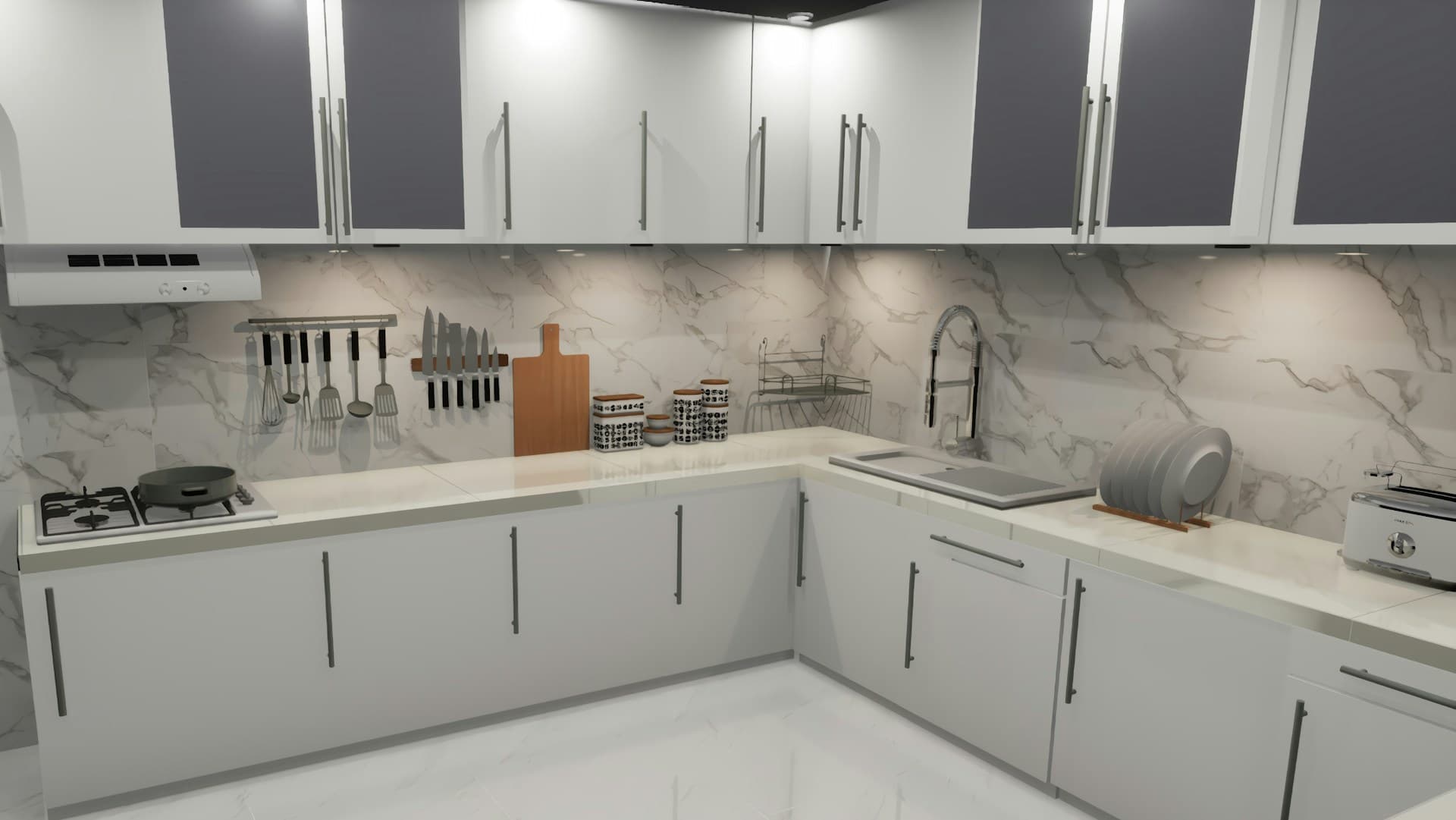
Soapstone's revival coincides perfectly with the modern farmhouse and industrial design trends gaining traction in Palm Beach County. The material's matte charcoal surface creates striking contrast against white cabinetry. Imagine Shaker-style white cabinets in a Jupiter coastal home topped with rich gray-black soapstone counters that feel both rustic and refined. The stone's subtle surface variation and occasional natural veining prevent the flat, manufactured look of solid-color quartz while maintaining visual restraint that lets other design elements shine. In Delray Beach industrial lofts and West Palm Beach urban renovations, soapstone's dark tones complement exposed brick, black-frame windows, and stainless appliances beautifully. The material pairs particularly well with open shelving. The clean, dark horizontal lines of soapstone counters provide visual weight that grounds floating shelves and creates balance. Soapstone also suits transitional designs bridging traditional and contemporary; a Wellington traditional kitchen can incorporate soapstone on perimeter counters while featuring Carrara marble on the island, creating layered sophistication. Unlike marble's high-maintenance elegance or granite's suburban ubiquity, soapstone offers quiet distinction. It doesn't demand attention but rewards close observation with subtle beauty and exceptional tactile appeal.
See the Slabs
Want to see what this looks like in your kitchen?
500+ slabs in our Boynton Beach showroom. Browse the live inventory or book a private viewing.
Practical Advantages: Low Maintenance and Functionality
Soapstone's functional characteristics make it remarkably practical for South Florida kitchens despite its uncommon appearance. Zero porosity means no sealing ever, unlike granite requiring sealing twice yearly or marble needing professional sealing annually, soapstone needs only mineral oil applications to enhance color, not for protection. Many homeowners choose to let soapstone age naturally without oiling, developing organic patina over years. The material is heat-proof; you can place 500°F pots directly from the oven onto soapstone without damage, thermal shock, or discoloration. This advantage particularly appeals to serious cooks in Boca Raton and Jupiter who resent fumbling for trivets during busy meal preparation. Soapstone's acid resistance makes it ideal for wet bar installations where citrus, cocktail spills, and wine cannot cause the etching that plagues marble bars. The material's density provides natural anti-microbial properties. Bacteria cannot penetrate the surface or survive on it, important for food preparation areas. Scratches and nicks that would ruin granite's appearance simply become part of soapstone's character, easily minimized by rubbing with 220-grit sandpaper when they bother you. This forgiving nature suits real-life kitchens rather than showroom spaces.
Understanding the Patina Process and Color Evolution
Soapstone's color evolution from installation to maturity represents either its greatest appeal or primary concern depending on homeowner perspective. Fresh-cut soapstone appears lighter gray, but exposure to air and the natural oils from hands, cooking, and mineral oil applications gradually darken the stone to rich charcoal or near-black tones over 6-12 months. This patina develops unevenly at first. Areas around the sink and stove darken faster from frequent contact and oil exposure, while corners and edges lighten slower. Many Palm Beach County homeowners feel alarmed by this uneven darkening, assuming something is wrong, when actually it's the material's natural character emerging. Understanding and accepting this evolution is essential before choosing soapstone. For those who want to control and accelerate the process, applying mineral oil every 2-4 weeks during the first year encourages even darkening. The oil doesn't penetrate deeply but sits in microscopic surface textures, enhancing the gray tones. After the initial patina develops fully, most homeowners reduce oiling to 2-4 times yearly or abandon it entirely. Some Delray Beach clients prefer letting soapstone age organically without intervention, valuing the authentic patina that develops over years of use. The key is setting proper expectations. Soapstone will change and darken, creating a living surface that records your kitchen's history through subtle color variation.
Addressing Soapstone's Vulnerabilities: Softness and Scratching
Soapstone's relative softness represents its most significant drawback, requiring honest discussion before purchase. At Mohs 2.5-3.5, the material scratches more easily than granite (6-7) or quartzite (7-8). You will get scratches from knives, pans, and daily use. Sharp impacts can cause small chips or dents that granite would resist. This vulnerability concerns Wellington homeowners accustomed to granite's near-indestructibility. However, context matters: soapstone's scratches don't ruin the material or create maintenance issues, they simply alter the surface texture gradually. Many owners embrace this weathered quality as character rather than damage, similar to how leather furniture develops patina. For scratches that bother you, light sanding with 220-grit sandpaper and mineral oil application minimizes their appearance in 5-10 minutes of effort. More significantly, soapstone cannot crack from thermal shock, won't stain from anything, and requires no sealing, vulnerabilities that plague harder stones. The trade-off becomes whether you prefer a material that resists scratches but stains and etches, or one that scratches but resists everything else. For Jupiter clients who cook frequently and value function over pristine appearance, soapstone's priorities align better than marble or granite. We recommend soapstone for households that embrace natural material evolution and can accept scratches as part of the stone's story.
Cost Comparison: Premium Pricing for Specialty Material
Soapstone pricing reflects its specialty status and limited availability relative to mainstream granite and quartz. Expect premium pricing per square foot installed in Palm Beach County, positioning it above standard granite and mid-range quartzite, roughly equivalent to premium marble. The higher cost reflects multiple factors: smaller quarries producing less volume, limited distribution networks, specialized fabrication knowledge required, and lower demand limiting economies of scale. A typical 60-square-foot kitchen countertop installation varies by scope and material selection, including templating, fabrication, and installation. Soapstone's relative softness actually complicates rather than simplifies fabrication. CNC cutting must proceed slower to prevent chipping, and edge profiles require different tool approaches than harder stones. Many fabricators avoid soapstone entirely due to limited demand and specialized requirements, further constraining supply. However, the total ownership cost equation favors soapstone through eliminated sealing costs, minimal repair needs, and exceptional longevity. Properly maintained soapstone counters last 50+ years. The material's timeless aesthetic also resists trend cycles that date other materials; a soapstone kitchen installed today will look appropriate in 20 years, while trendy quartz colors may appear dated in 5-7 years. For West Palm Beach and Boca Raton clients prioritizing long-term value over initial cost, soapstone's premium pricing proves justified.
Design Applications: Where Soapstone Shines Brightest
Soapstone excels in specific applications where its unique characteristics provide maximum benefit. Wet bars and beverage stations top the list. Acid-proof surfaces handle citrus and cocktails without concern, while the dark sophisticated color suits entertainment spaces. Laboratory-like laundry rooms and mudroom counters leverage soapstone's stain resistance and durability for high-function low-visibility spaces. Small kitchen perimeters in Delray Beach cottages or Jupiter carriage houses benefit from soapstone's forgiving maintenance and distinctive character without the overwhelming darkness that would result from large installations. Bathroom vanities present another ideal application. The material's water resistance, non-porous structure, and sophisticated gray-black tones create spa-like atmosphics in Wellington master baths. For full kitchens, we often recommend soapstone on perimeter counters with lighter marble or quartzite islands to provide color balance and prevent visual heaviness. The reverse works too. Some Boca Raton clients choose soapstone islands with Fantasy Brown or white quartzite perimeters, making the island a dramatic focal point. Historic home renovations suit soapstone particularly well; replacing outdated materials in 1920s-1940s homes with soapstone honors period authenticity while providing modern performance. Visit our Boynton Beach showroom to evaluate soapstone samples in person. This material must be seen and touched to properly assess its unique character. Schedule your appointment at countertopspalmbeach.com/book-viewing or explore comprehensive countertop options at countertopspalmbeach.com/estimator.