Free Local Estimate
Serving your neighborhood for over 15 years.
Get a free in-home measurement and ballpark. Most projects are scoped in one visit. Boynton Beach showroom open 6 days a week.
★★★★★ 5.0 · 586+ Google reviews · Family-owned since 2008
The Coastal Environment Challenge
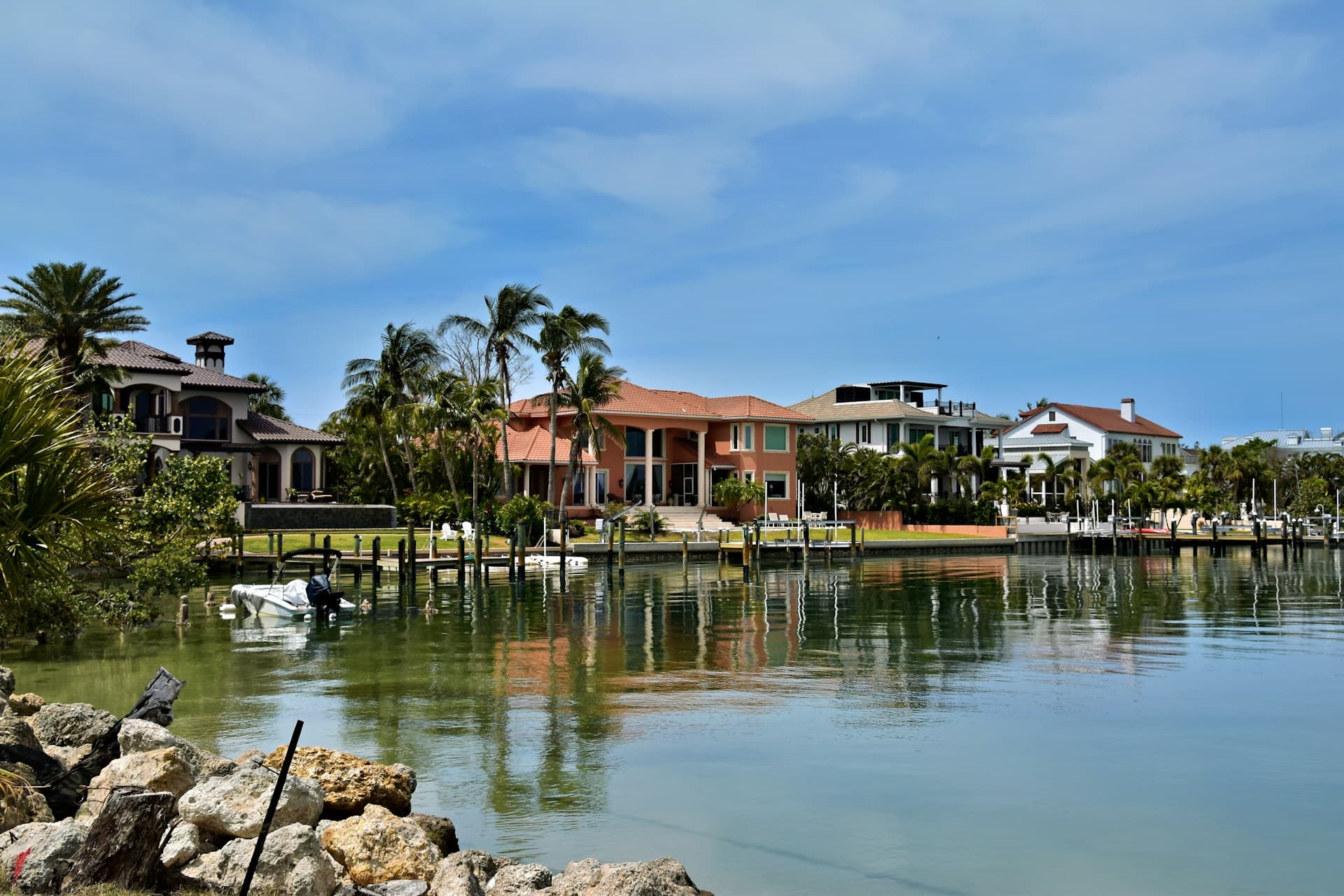
Highland Beach and Gulf Stream represent the pinnacle of Palm Beach County oceanfront living, with direct-beach properties in the ultra-luxury tier and imposing unique material performance requirements. Kitchens in these communities face environmental conditions unlike anywhere else in South Florida: constant salt-laden air from Atlantic breezes, humidity levels regularly reaching 75-85%, intense UV from unobstructed southern and eastern exposures, and the corrosive effects of salt spray on any surface within 500 feet of the ocean. Over our years installing countertops in coastal properties from Jupiter to Boca Raton, we've learned which materials thrive in oceanfront environments and which fail prematurely. The stakes are high. A kitchen renovation in a luxury Highland Beach estate represents a major investment, with countertops comprising a substantial portion of that budget. Material selections must balance aesthetic excellence with decades-long durability in harsh conditions, without requiring constant professional maintenance that diminishes the luxury living experience.
Natural Stone Performance in Salt Air
Natural stones (granite, quartzite, marble, and soapstone) are inherently salt-resistant because they're inert minerals formed under extreme geological conditions. Salt air doesn't chemically react with these materials or cause degradation over time. We have granite and quartzite installations in Highland Beach oceanfront properties that have been exposed to salt air for 15-20 years with zero material degradation. The primary concern with natural stone in coastal environments isn't the stone itself but the sealers and resins used during fabrication. Low-quality sealers can break down faster in high-humidity, salt-laden conditions, requiring more frequent reapplication. We use commercial-grade impregnating sealers rated for exterior and high-moisture applications specifically for coastal installations. These sealers maintain performance for 18-24 months even in direct oceanfront environments, compared to 12-15 months for standard sealers. The result is natural stone that performs as beautifully in year 20 as installation day, with minimal maintenance burden.
See the Slabs
Want to see what this looks like in your kitchen?
500+ slabs in our Boynton Beach showroom. Browse the live inventory or book a private viewing.
Engineered Quartz in Coastal Applications: Proceed with Caution
Engineered quartz presents more complexity in oceanfront kitchens due to its resin binders. While the quartz particles themselves are inert and salt-resistant, the polymer resins can be affected by sustained high humidity and UV exposure. The primary concern is UV yellowing, as discussed in detail elsewhere. Oceanfront properties in Highland Beach and Gulf Stream typically feature expansive glass walls facing the ocean, creating intense UV exposure that degrades quartz resins over time. Additionally, some quartz formulations can develop a hazy appearance in high-humidity environments as moisture interacts with surface resins, though this is material-specific and not universal to all quartz brands. We've installed quartz successfully in coastal properties, but typically only in interior locations away from direct window exposure and exterior doors. For oceanfront kitchens with large glass walls and direct beach access, we strongly recommend natural stone over quartz to ensure long-term appearance stability and avoid warranty issues that might arise from manufacturer disclaimers on UV and moisture exposure.
Hardware, Sinks, and Fixture Considerations
Countertop durability in oceanfront kitchens extends beyond the stone surface to integrated components: sinks, faucets, and mounting hardware that contact salt air constantly. Stainless steel is generally salt-resistant, but lower-grade alloys (304 stainless) can develop surface corrosion (not rust, but discoloration) in direct coastal exposure. We recommend 316 marine-grade stainless for sinks and fixtures in properties within 200 feet of the ocean. It costs 15-20% more but maintains appearance indefinitely. Mounting hardware for undermount sinks should use stainless steel brackets and epoxy adhesives rated for marine environments rather than standard construction adhesives. Faucets should be solid brass or marine-grade stainless rather than chrome-plated zinc alloys that can deteriorate in salt air. These specifications add modestly to typical installation costs but prevent the premature fixture degradation we've seen in coastal properties where standard materials were used. The countertops outlast the fixtures when proper specifications aren't followed.
Indoor-Outdoor Material Continuity
Many Highland Beach and Gulf Stream properties feature seamless indoor-outdoor designs where kitchens flow directly to ocean-view terraces and outdoor living spaces. Material continuity, using the same countertop material indoors and out, creates stunning visual flow and expands perceived space dramatically. Quartzite is the ideal material for this application: completely UV-stable, salt-resistant, unaffected by rain and humidity, and available in colors and patterns that work beautifully in both settings. We've installed continuous quartzite counters running from indoor islands through disappearing glass walls to outdoor bars and grills, creating 40-60 linear feet of seamless stone that transforms how homeowners experience their spaces. The material performs identically indoors and out, requiring the same minimal maintenance in both environments. Granite works equally well, though pattern options are slightly more limited in premium grades. Marble is technically suitable for outdoor coastal use but requires more maintenance. Quartz is entirely unsuitable for outdoor applications, creating material mismatch if used indoors when outdoor spaces need different materials.
Maintenance Protocols for Oceanfront Longevity
Even the most durable materials benefit from coastal-specific maintenance protocols that maximize longevity. We recommend quarterly professional cleaning for oceanfront kitchen countertops. Specialized stone care companies use pH-neutral cleaners and can identify early issues before they become problems. Annual sealing is essential, using high-performance impregnating sealers rated for exterior use rather than standard interior sealers. For properties with direct beach access where sand tracks into kitchens regularly, daily sweeping or vacuuming prevents abrasive particles from scratching polished surfaces. Use soft microfiber mops rather than bristle brooms that can trap sand and cause scratching. Wipe salt spray residue from surfaces within view of the ocean weekly using pH-neutral cleaners. Salt doesn't damage stone but can create hazy buildup if allowed to accumulate. Inspect undermount sink mounting annually to ensure humidity hasn't degraded adhesives. This is a 5-minute visual check that prevents sink detachment issues. These protocols require minimal time and modest annual professional costs, effectively protecting your substantial countertop investment.
Material Recommendations for Luxury Oceanfront Kitchens
Based on decades of coastal installations, our top recommendations for Highland Beach and Gulf Stream oceanfront kitchens prioritize natural stone, specifically quartzite and granite. Quartzite delivers marble-like aesthetics with superior durability, complete UV and salt resistance, and indoor-outdoor versatility, ideal for seamless designs. Popular choices include White Macaubas, Taj Mahal, and Cristallo, each at premium pricing reflecting their quality. Granite remains excellent for homeowners preferring bolder colors and patterns, with proven 30+ year coastal performance at more accessible price points. For clients committed to marble's aesthetic, we recommend treating it as an island-only material paired with quartzite perimeters, positioning marble away from direct UV exposure and beach access points. Soapstone is underutilized in coastal applications. It's completely salt, UV, and moisture resistant, requires minimal maintenance, and develops beautiful patina over time at competitive pricing. The materials we recommend avoiding in direct oceanfront applications: engineered quartz in UV-exposed locations, any dyed or resin-enhanced natural stones, and composite materials of any kind. Visit our Boynton Beach showroom to view premium quartzite and granite slabs perfect for coastal applications, <a href='/book-viewing'>schedule a appointment</a> for personalized material recommendations based on your specific property conditions, or use our <a href='/estimator'>instant estimator</a> for project cost planning. Our expertise in oceanfront installations ensures your investment performs beautifully for decades in Highland Beach and Gulf Stream's demanding coastal environment.