Plan Your Project
Bring this design into your kitchen.
Free 30-minute design consultation at our Boynton Beach showroom. See the slabs, talk through your kitchen, and get a real timeline + ballpark.
★★★★★ 5.0 · 586+ Google reviews · Family-owned since 2008
The Evolution of the Kitchen Island
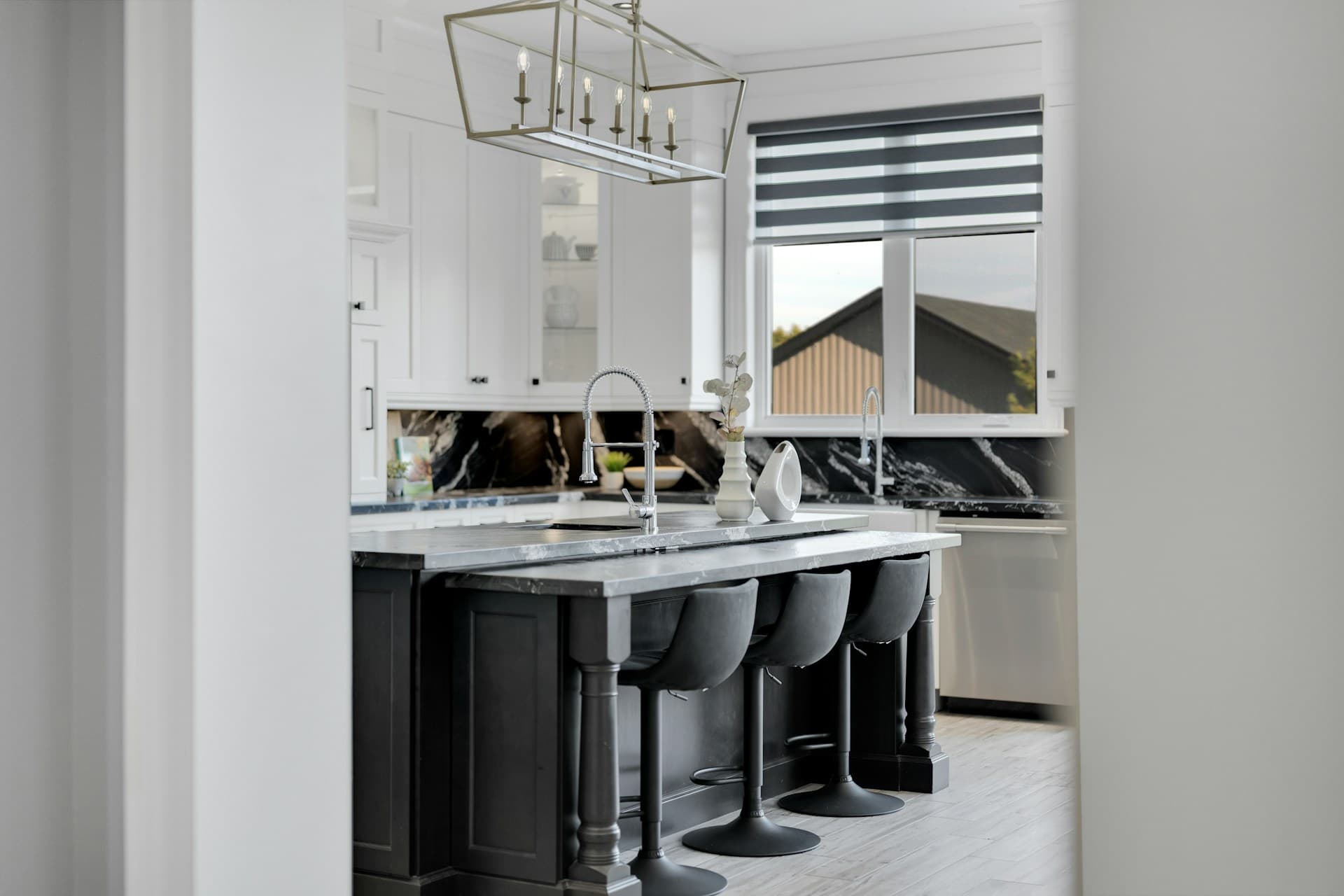
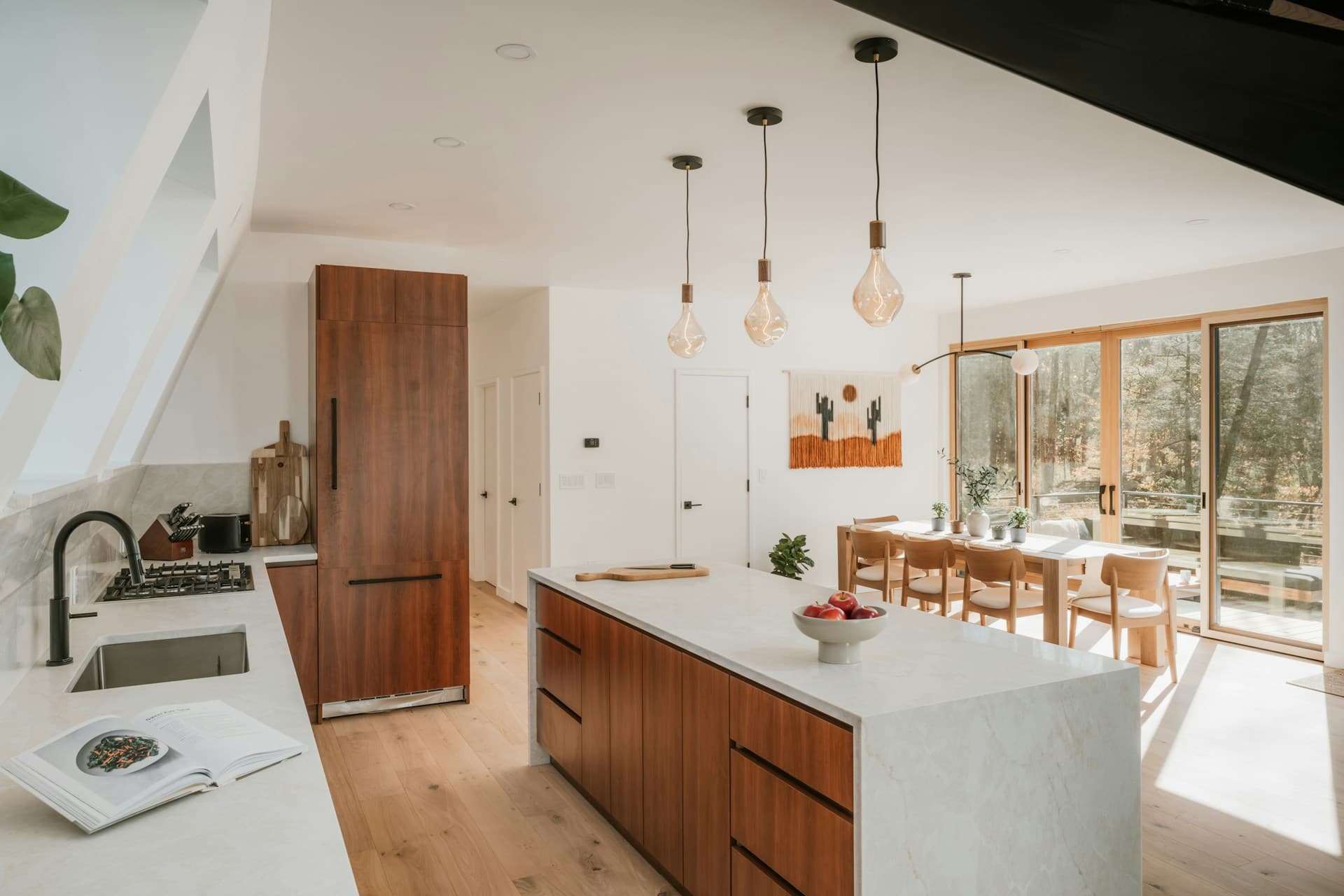
Kitchen islands have evolved from simple prep surfaces to command centers of modern home life. Today's Palm Beach County homeowners want islands that transition seamlessly from morning coffee bar to homework station to elegant dinner party setting. Countertop-to-table extensions—where the main island surface cantilevers or steps down to create an integrated dining table—represent the pinnacle of this evolution. These multi-functional designs maximize square footage in open-concept homes while creating distinct zones for different activities. Unlike traditional islands with bar-height overhang seating, table-height extensions (28-30 inches versus 36-inch counter height) offer more comfortable dining for extended meals and accommodate standard dining chairs rather than barstools. We're seeing tremendous demand for these designs in new construction throughout Boca Raton, Delray Beach, and Jupiter, where great rooms combine kitchen, dining, and living spaces. The key is making the extension feel intentional rather than afterthought, using material choices, structural support, and design details that create visual harmony while serving multiple practical functions throughout the day.
Structural Approaches and Support Systems
Creating a cantilevered table extension requires substantial structural engineering beyond standard countertop installation. For extensions projecting 24-36 inches from the island base, we use steel support brackets concealed within cabinetry, anchored to floor joists or concrete slabs. Alternatively, decorative corbels, legs, or support posts can be incorporated as design features—popular in coastal transitional kitchens where turned wood legs or brass-finished metal posts complement the overall aesthetic. The thickness and weight of your countertop material significantly impacts structural requirements. A 3cm quartzite slab weighing 18-20 pounds per square foot needs more robust support than 2cm quartz at 12-13 pounds per square foot. For larger extensions serving 6-8 people, we sometimes design a stepped-down platform where the table portion sits on its own cabinet base 6-8 inches lower than the main island, connected by a decorative side panel or waterfall edge. This approach distributes weight more effectively and creates visual interest. Our fabrication team works closely with contractors and structural engineers to ensure extensions meet building codes while achieving the seamless appearance our Wellington and Palm Beach Gardens clients expect. During your design appointment, we'll assess your space and recommend the most appropriate structural solution.
See the Slabs
Want to see what this looks like in your kitchen?
500+ slabs in our Boynton Beach showroom. Browse the live inventory or book a private viewing.
Material Selection for Dual-Purpose Surfaces
Choosing the right stone for a multi-functional island requires balancing beauty with durability across different use cases. Quartzite offers the best combination of marble-like elegance and granite-level durability—ideal for surfaces serving as both food prep area and formal dining table. Taj Mahal, Sea Pearl, and Cristallo quartzites are top choices in our Boynton Beach showroom for these applications. For clients prioritizing maintenance ease, engineered quartz like Caesarstone or Cambria provides uniform patterning, zero porosity, and resistance to staining from the red wine spills inevitable at dinner parties. However, quartz isn't heat-resistant enough for the cooking zone—consider pairing quartz on the table extension with granite or quartzite on the main prep surface, connected by a mitred edge detail that conceals the material transition. Marble makes a stunning statement but requires committed maintenance for dining use; consider honed Calacatta or Statuario for formal islands in homes with professional cleaning staff. For ultra-contemporary designs, large-format porcelain slabs from Neolith or Dekton offer dramatic book-matched patterns in thinner profiles ideal for cantilevered applications. Visit our showroom to see full-scale mockups showing how different materials perform across cooking, dining, and entertaining scenarios common in Palm Beach County lifestyles.
Design Details That Enhance Functionality
Thoughtful design details transform a basic table extension into an elegant, practical space. Edge profiles matter tremendously—a thicker mitered edge (doubling 2cm slabs to create a 4cm appearance) provides visual weight appropriate for a dining surface while protecting the edge from chips when chairs are pulled in and out. Waterfall edges dropping from island to table level create stunning visual continuity, particularly with book-matched quartzite or marble where veining flows continuously from horizontal to vertical surfaces. For the table portion, consider a honed or leathered finish rather than polished—it's more forgiving of the inevitable scratches and marks from place settings, while the main prep area retains a polished finish for easy cleaning. Integrate electrical outlets for laptops and charging in the table section, but position them on the sides rather than surface-mounted to maintain clean aesthetics. Lighting is crucial: pendant fixtures positioned 30-36 inches above the table surface create ambiance for dining while task lighting serves the prep area. Many of our Boca Raton clients incorporate contrasting materials—a wood-topped table extension adjacent to a marble prep surface—to visually distinguish zones while creating warmth. The underside of extensions deserves attention too; finish it properly since it's visible from dining chairs.
Sizing and Proportions for Your Space
Proper dimensioning ensures your multi-functional island serves all purposes without overwhelming the space. For comfortable dining, allocate 24 inches of table width per person—a 48-inch extension seats four, 72 inches accommodates six. Plan for 36-42 inches of clearance around all sides of the island to allow traffic flow even when chairs are occupied. The table extension should be proportional to the main island—typically 30-50% of the total island length to maintain visual balance. In smaller kitchens (under 200 square feet), consider a compact extension serving 2-4 people rather than forcing a larger table that compromises circulation. For spacious great rooms common in Palm Beach Gardens and Wellington estates, islands can span 10-12 feet total with 6-foot table extensions creating true dining experiences. Height transitions require careful consideration: if stepping down from counter to table height, the 6-8 inch drop should occur at a logical visual break rather than mid-surface. Many designers position the height change where the cooking zone ends and dining zone begins, marked by a material change, color shift, or waterfall edge. During templating, our team brings extensive experience with thousands of South Florida kitchens to recommend proportions that feel balanced while maximizing functionality for your specific lifestyle and entertaining style.
Integrating Seating Seamlessly
Seating arrangements make or break the functionality of table extensions. Standard dining chairs at 18-20 inches wide and 24-30 inches deep require careful spatial planning. For pushed-in storage when not in use, ensure chairs tuck completely under the table extension without hitting support posts or cabinet faces—this typically requires 12-16 inches of clearance from table edge to obstruction. Bench seating along one side maximizes capacity while creating a casual, family-friendly vibe popular in coastal Florida homes. Consider custom upholstered benches matching your kitchen's color palette, or contrast with natural wood tones for warmth against cool stone surfaces. For the opposite side or ends, individual chairs offer flexibility and easier movement. Many of our clients select dining chairs coordinating with their kitchen's style—leather upholstery for traditional spaces, acrylic or metal for contemporary designs, woven materials for coastal aesthetics. The table extension's edge profile impacts comfort; avoid sharp-cornered edges where arms rest, opting instead for eased or bullnose profiles. For islands serving double-duty with bar seating on one side and table seating on the other, ensure adequate separation (60-72 inches) so the two zones don't feel cramped. Visit design showrooms throughout Boca Raton to test various chair and bench options with your stone samples before finalizing your island design.
Real Projects and Investment Considerations
We recently completed a stunning multi-functional island for a Delray Beach client: a 10-foot quartzite island in Taj Mahal with a 6-foot table extension dropping to standard dining height via a waterfall edge detail. The main island houses the cooktop and prep sink with polished finish, while the table extension features honed surface for dining. The total investment reflected the scope of materials and expert fabrication, including steel support system and installation. A more budget-conscious Wellington project used Caesarstone Calacatta Nuvo quartz throughout, with a 4-foot cantilevered extension supported by decorative brass posts—a significantly more accessible price point. For clients wanting maximum drama, we created a book-matched Calacatta Borghini marble island with full-height waterfall sides and integrated table in a Palm Beach oceanfront residence, a premium investment reflecting the exotic materials and craftsmanship involved. These investments deliver exceptional value considering the space efficiency and lifestyle enhancement—replacing the need for a separate dining table while creating a showpiece that defines the entire kitchen. Most multi-functional islands return 85-95% of cost at resale in Palm Beach County's competitive market, particularly in move-up and luxury segments where open-concept entertaining is essential. Schedule a design appointment at our Boynton Beach showroom to explore your options, see material samples, and review detailed CAD renderings showing exactly how your multi-functional island will transform your kitchen into the home's true heart.