Soapstone vs Slate Countertops: Which Matte Stone Is Better for Kitchens?
Bottom Line
**Soapstone wins this niche matchup** for one irresistible reason: the texture. Running your hand across soapstone is a sensory experience—silky, warm, almost soft despite being stone.
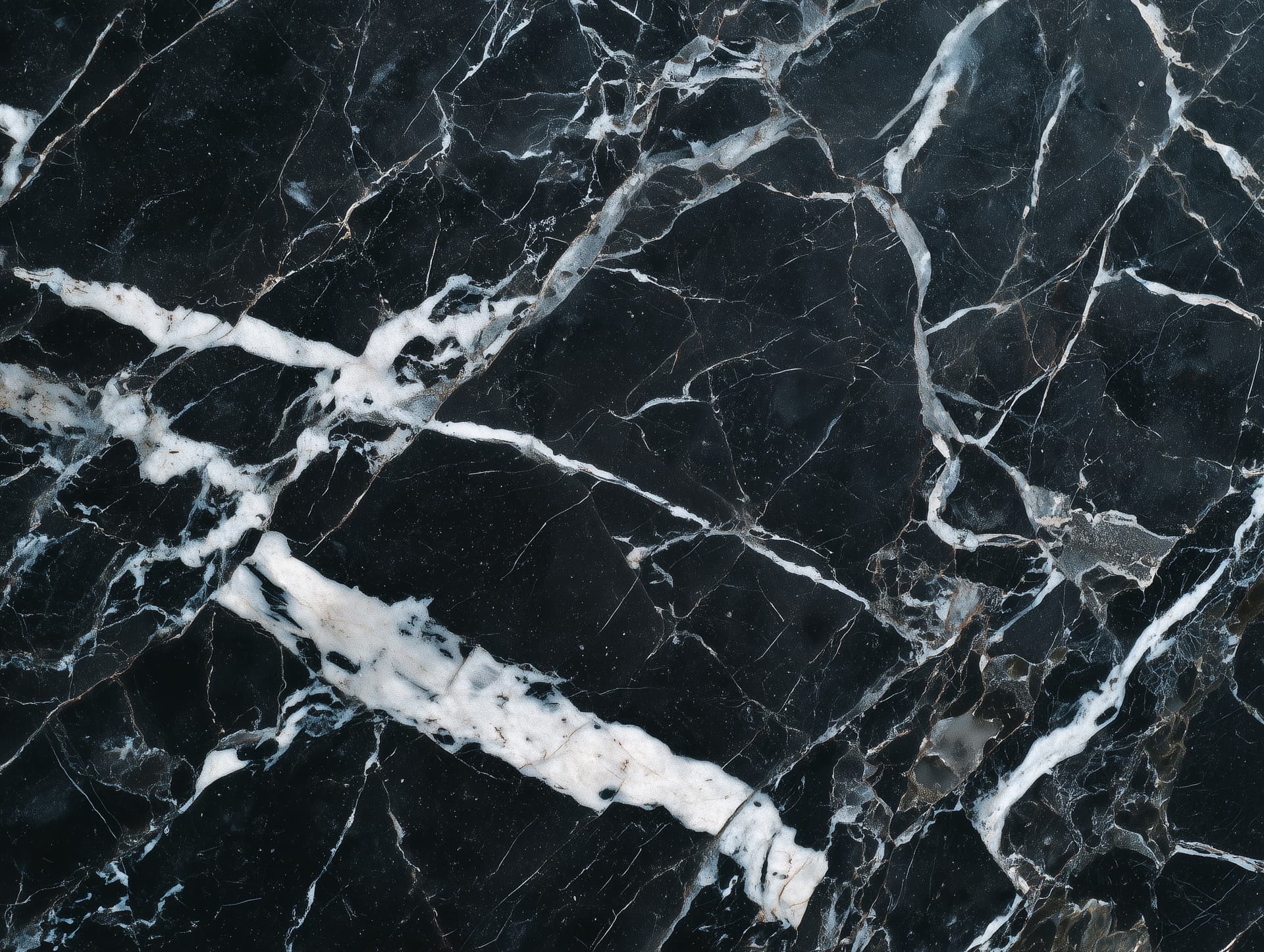
Soapstone
Silky Smooth Heritage
Slate
Rustic Natural Texture
Free Showroom Visit
See Soapstone and Slate side-by-side at our Boynton Beach showroom — no pressure, free 30-min consult.
★★★★★ 5.0 · 586+ Google reviews · Family-owned since 2008
Side-by-Side Comparison
| Property | Soapstone | Slate |
|---|---|---|
| Hardness | 1 Mohs | 3.5 Mohs |
| Heat Resistance | Excellent | Excellent |
| Price Range | Mid to premium tier | Value to mid tier |
| Maintenance | Medium | Low |
| Durability | Medium | Medium |
Pros & Cons
Soapstone
WinnerAdvantages
- Incredibly smooth, tactile surface
- Exceptional heat resistance (lab counters use it)
- Non-porous - naturally antibacterial
- Develops beautiful patina over time
- Scratches can be sanded out
- Chemically inert - won't etch from acids
- Historic authenticity for period homes
Considerations
- Very soft - scratches and dents easily
- Limited color options (grays and greens)
- Requires regular mineral oil application
- Nicks from knives and impacts
- Darkens significantly with oiling
Slate
Advantages
- Unique cleft texture
- Non-porous - no sealing required
- Heat resistant
- Lower cost than most natural stones
- Distinct rustic aesthetic
- Good scratch resistance for its softness
Considerations
- Uneven surface makes food prep challenging
- Can chip along layers (foliated structure)
- Limited to earth tones
- Not suitable for all design styles
- Glasses may not sit flat
Winner: Soapstone
Superior texture and functional surface
Based on our analysis of over 10,000 projects since 2008, Soapstone wins this niche matchup for one irresistible reason: the texture. Running your hand across soapstone is a sensory experience—silky, warm, almost soft despite being stone. It's why chemistry labs have used soapstone for over a century; nothing else feels quite like it. The patina it develops over years of use tells your kitchen's story, darkening naturally into a rich, characterful surface.
Slate's appeal is its rustic, textured aesthetic, but that same texture creates functional challenges in a working kitchen. Cutting boards slide, glasses wobble, and crumbs hide in the cleft surface. Soapstone gives you the matte, organic look of natural stone with a surface that actually works for cooking. Both require acceptance of imperfection—soapstone will scratch, slate may chip—but soapstone's scratches sand away while slate's chips are permanent. For the homeowner seeking something different from granite's polish, soapstone delivers warmth that slate can't match.
Ready to see Soapstone in person?
Book a Showroom VisitFrequently Asked Questions
Common questions about Soapstone vs Slate
Is soapstone too soft for kitchen counters?
Soapstone is soft (1-2 Mohs) and will scratch from knives and abrasion. However, scratches can be sanded out and oiled over, making it a 'living' surface. Many homeowners prefer this character over static perfection.
Does slate make a good kitchen countertop?
Slate can work for kitchens with lower traffic or as an accent surface. Its uneven texture makes it less practical for heavy food prep but excellent for bar tops or butler's pantries where the aesthetic is prioritized.
How often do you need to oil soapstone?
Initially, monthly oiling accelerates patina development. After 6-12 months, frequency decreases to quarterly or less. Some homeowners prefer the uneven 'dry' look and oil less frequently.
Related Comparisons
Still Have Questions?
Our design team has helped 500+ Palm Beach County homeowners choose the perfect materials for their kitchens. Let us help you make the right decision.