Granite vs Porcelain Countertops: Natural Stone vs Modern Technology
Bottom Line
**Granite takes this matchup** primarily due to its forgiving nature when it comes to impact damage. While porcelain is incredibly hard on the surface, its thin construction and brittle edges make it vulnerable to chipping—and chips in porcelain are nearly impossible to repair invisibly.
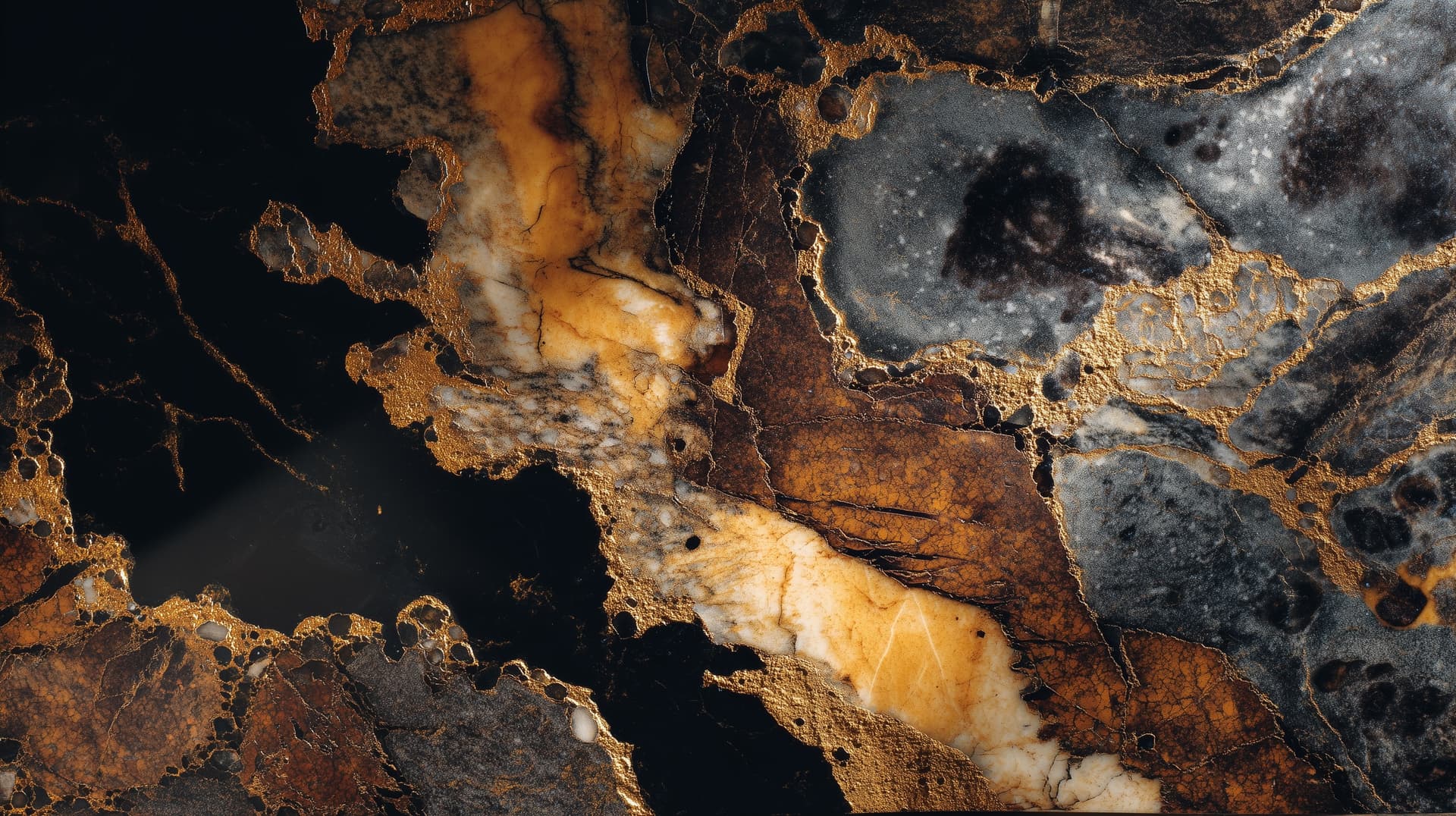
Granite
The Proven Classic
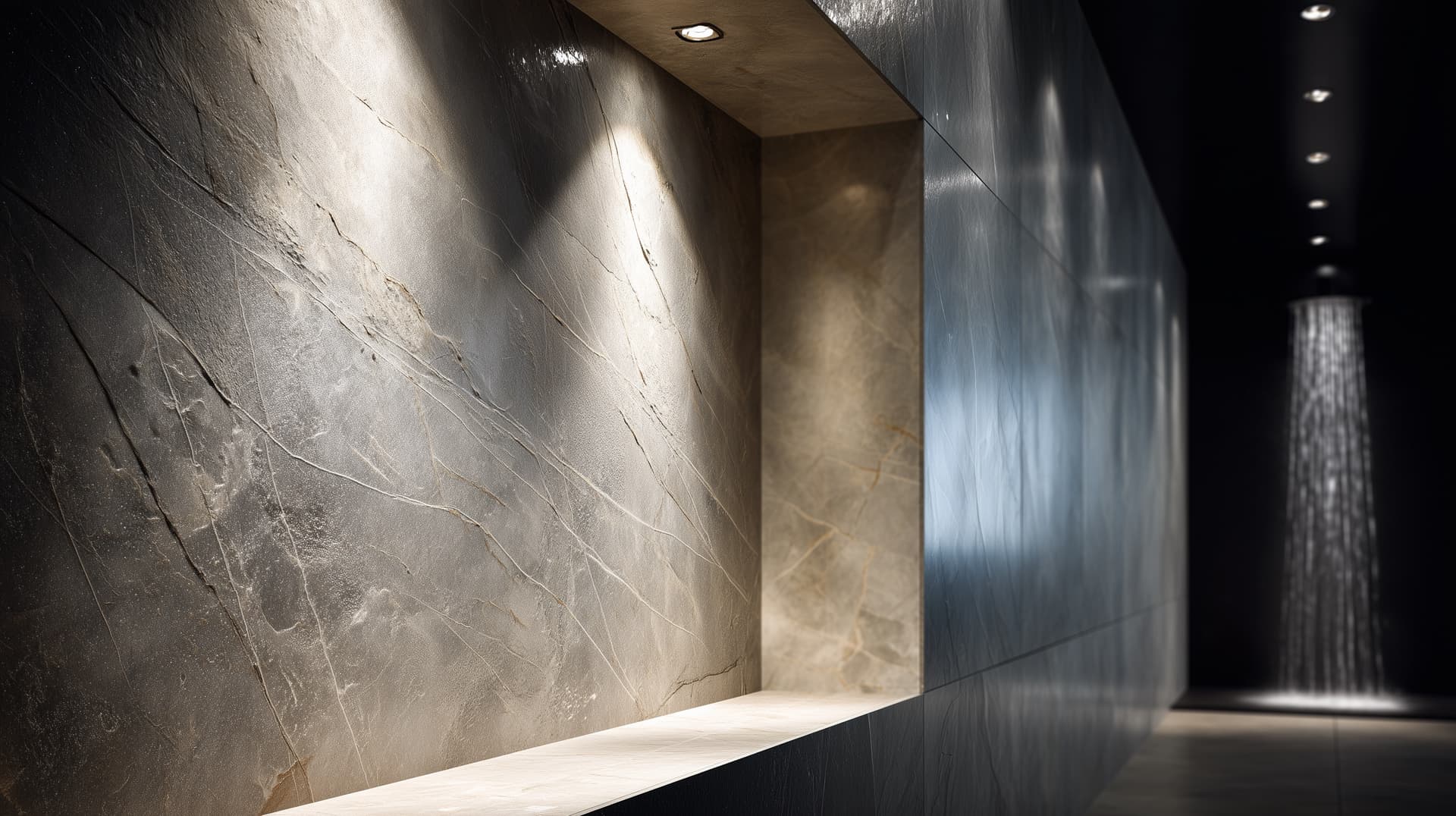
Porcelain
Ultra-Modern Innovation
Free Showroom Visit
See Granite and Porcelain side-by-side at our Boynton Beach showroom — no pressure, free 30-min consult.
★★★★★ 5.0 · 586+ Google reviews · Family-owned since 2008
Side-by-Side Comparison
| Property | Granite | Porcelain |
|---|---|---|
| Hardness | 6.5 Mohs | 7 Mohs |
| Heat Resistance | Excellent | Excellent |
| Price Range | Value to premium tier | Mid to premium tier |
| Maintenance | Medium | Low |
| Durability | Exceptional | High |
Pros & Cons
Granite
WinnerAdvantages
- Exceptional chip and crack resistance
- Superior heat resistance
- Time-tested durability (centuries of use)
- Natural beauty with unique patterns
- Excellent resale value recognition
- Repairable if damaged
Considerations
- Requires periodic sealing
- Heavier than porcelain
- Natural variations in color/pattern
- Some patterns feel dated
Porcelain
Advantages
- Non-porous - never needs sealing
- Scratch and stain resistant
- Consistent color throughout
- UV stable for outdoor use
- Lighter weight than natural stone
- Large format slabs available
Considerations
- Can chip on edges if impacted
- Difficult to repair if chipped
- Less resale value recognition
- Can feel 'cold' or artificial
- Newer material with less track record
Winner: Granite
Superior chip resistance and proven longevity
Based on our analysis of over 10,000 projects since 2008, Granite takes this matchup primarily due to its forgiving nature when it comes to impact damage. While porcelain is incredibly hard on the surface, its thin construction and brittle edges make it vulnerable to chipping—and chips in porcelain are nearly impossible to repair invisibly. Granite, by contrast, is a solid mass that absorbs impact better and can be professionally repaired if damage occurs.
For South Florida homeowners, granite's proven track record also matters. Buyers recognize and value granite countertops, while porcelain—despite its excellent properties—still requires explanation. That said, porcelain excels in specific applications: outdoor kitchens where UV exposure is constant, or commercial settings where the zero-maintenance proposition justifies the chip risk. For most residential kitchens, granite's combination of beauty, durability, and buyer recognition makes it the smarter choice.
Ready to see Granite in person?
Book a Showroom VisitFrequently Asked Questions
Common questions about Granite vs Porcelain
Is porcelain more durable than granite?
Porcelain is harder on the surface (7 Mohs vs 6.5) but granite is more impact-resistant overall. Porcelain edges can chip from drops or bumps, while granite absorbs impact better throughout its mass.
Does porcelain countertop crack easily?
Porcelain slabs are strong but can crack if subjected to point impact or improper support. Professional installation with proper underlayment is essential. Granite is more forgiving of installation variations.
Which has better resale value, granite or porcelain?
Granite currently has better resale value recognition. Most buyers are familiar with granite and perceive it as a premium upgrade. Porcelain is still building market awareness despite its excellent properties.
Related Comparisons
Still Have Questions?
Our design team has helped 500+ Palm Beach County homeowners choose the perfect materials for their kitchens. Let us help you make the right decision.