Free Showroom Visit
See this material in person at our Boynton Beach showroom.
500+ slabs in stock. We'll walk you through the differences and help you find the right one for your kitchen. No pressure, no sales pitch.
★★★★★ 5.0 · 586+ Google reviews · Family-owned since 2008
The Calacatta Look Without the Compromises
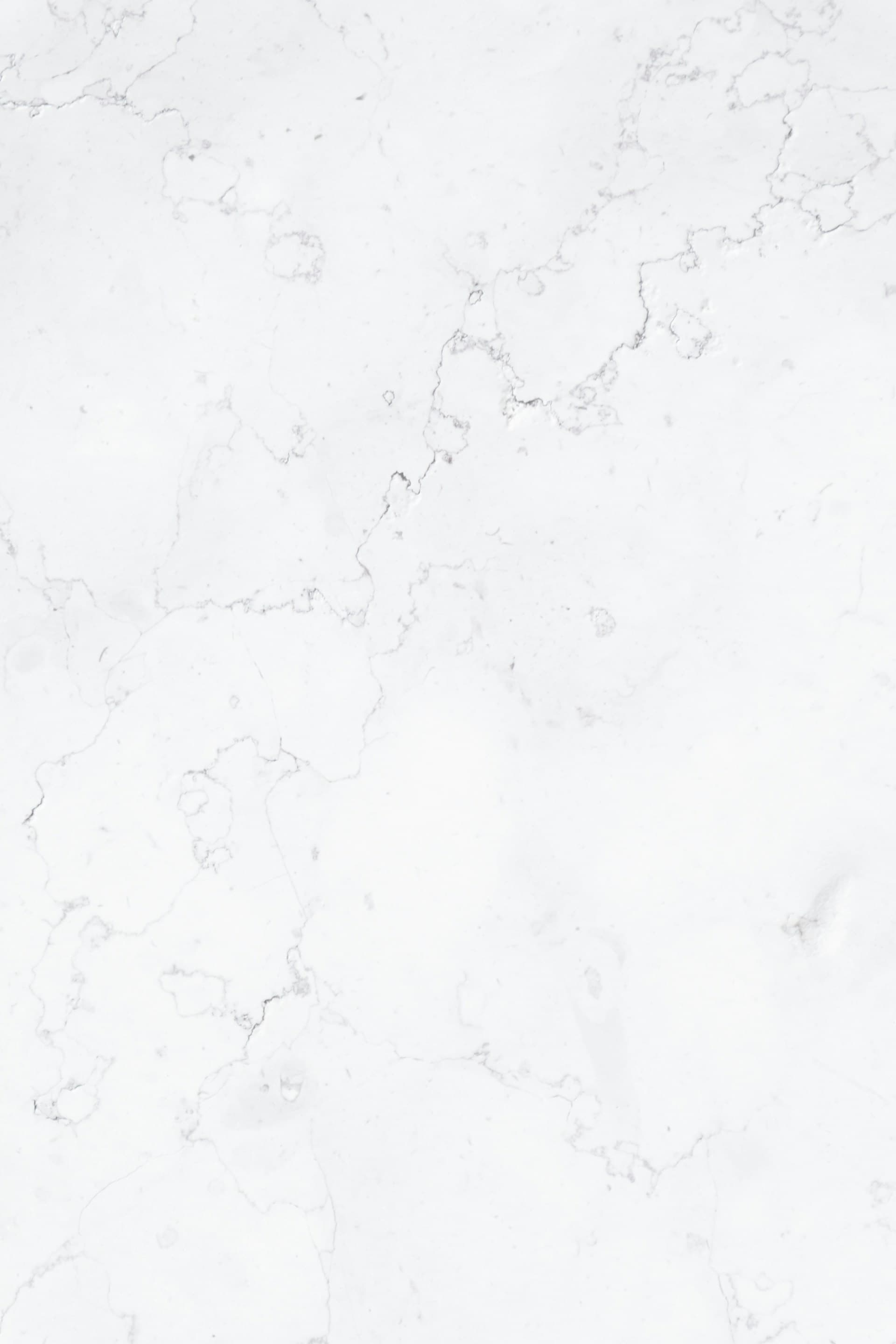
White Macaubas quartzite has emerged as one of the most sought-after stones in South Florida luxury renovations, offering the coveted Calacatta marble aesthetic, bright white background with dramatic gray veining, while delivering quartzite's superior durability and lower maintenance requirements. Extracted from quarries in Brazil, this natural stone forms through the metamorphosis of sandstone under intense heat and pressure, creating a material that's significantly harder and less porous than marble. The most desirable White Macaubas slabs feature bold, flowing veining in soft grays and occasional warm gold tones, creating the same visual impact as Calacatta Gold or Calacatta Borghini marble at roughly 40-50% lower cost. In our Boynton Beach showroom, White Macaubas consistently ranks among the top three requested quartzites, particularly for homeowners in Boca Raton, Wellington, and Palm Beach Gardens who want luxurious appearance without marble's vulnerability to etching and staining. The stone's versatility works equally well in traditional and contemporary kitchens, and its relatively consistent, competitive pricing makes it accessible for mid-range to upscale renovation budgets.
Understanding White Macaubas Variations
Not all White Macaubas is created equal. Significant variation exists between slabs, making personal slab selection essential rather than relying on samples or online photos. The most prized slabs feature clean white backgrounds with minimal movement in the base field and bold, concentrated veining that creates drama without overwhelming the space. Some slabs show more yellow or beige undertones rather than pure white, which can influence how they pair with cabinetry and other materials, important to assess in your actual kitchen lighting conditions. Veining density varies considerably; some slabs have sparse, widely-spaced veins creating a quiet, serene aesthetic, while others feature heavily crosshatched patterns with abundant detail. Neither is objectively better. The choice depends on your design intent and how much visual activity you want in your countertops. We've also seen occasional slabs with gray cloud-like patterns rather than defined veining, creating softer, more organic movement. Transparency varies as well; some White Macaubas shows slight translucency when backlit, a beautiful quality for island installations with toe-kick lighting but potentially problematic if under-cabinet lighting creates unintended glowing effects. Always view full slabs before purchasing to ensure the specific characteristics match your expectations.
See the Slabs
Want to see what this looks like in your kitchen?
500+ slabs in our Boynton Beach showroom. Browse the live inventory or book a private viewing.
Durability Advantages Over Marble
The practical benefits of White Macaubas over Calacatta marble are substantial, particularly for busy kitchens in family homes. Quartzite's hardness (7 on Mohs scale versus marble's 3-4) means the surface resists scratching from knives, pots, and everyday use that would gradually dull marble's polish. Acid resistance is the most significant advantage: lemon juice, tomato sauce, wine, and other acidic foods that cause immediate etching on marble have no effect on properly sealed quartzite. This makes White Macaubas practical for active cooking environments where marble would require obsessive care and frequent professional restoration. In South Florida's humid climate, quartzite's lower porosity (when properly sealed) reduces staining risk from oils and organic materials. We've installed White Macaubas in dozens of Palm Beach County homes over the past five years, and client satisfaction remains exceptionally high. The material maintains its beauty with basic cleaning and occasional resealing (every 1-2 years) versus marble's demands for constant vigilance and frequent professional attention. Heat resistance is comparable to granite; you can briefly place hot pans on quartzite without damage, though we always recommend using trivets as good practice to prevent thermal shock in any natural stone.
Design Applications and Pairing Strategies
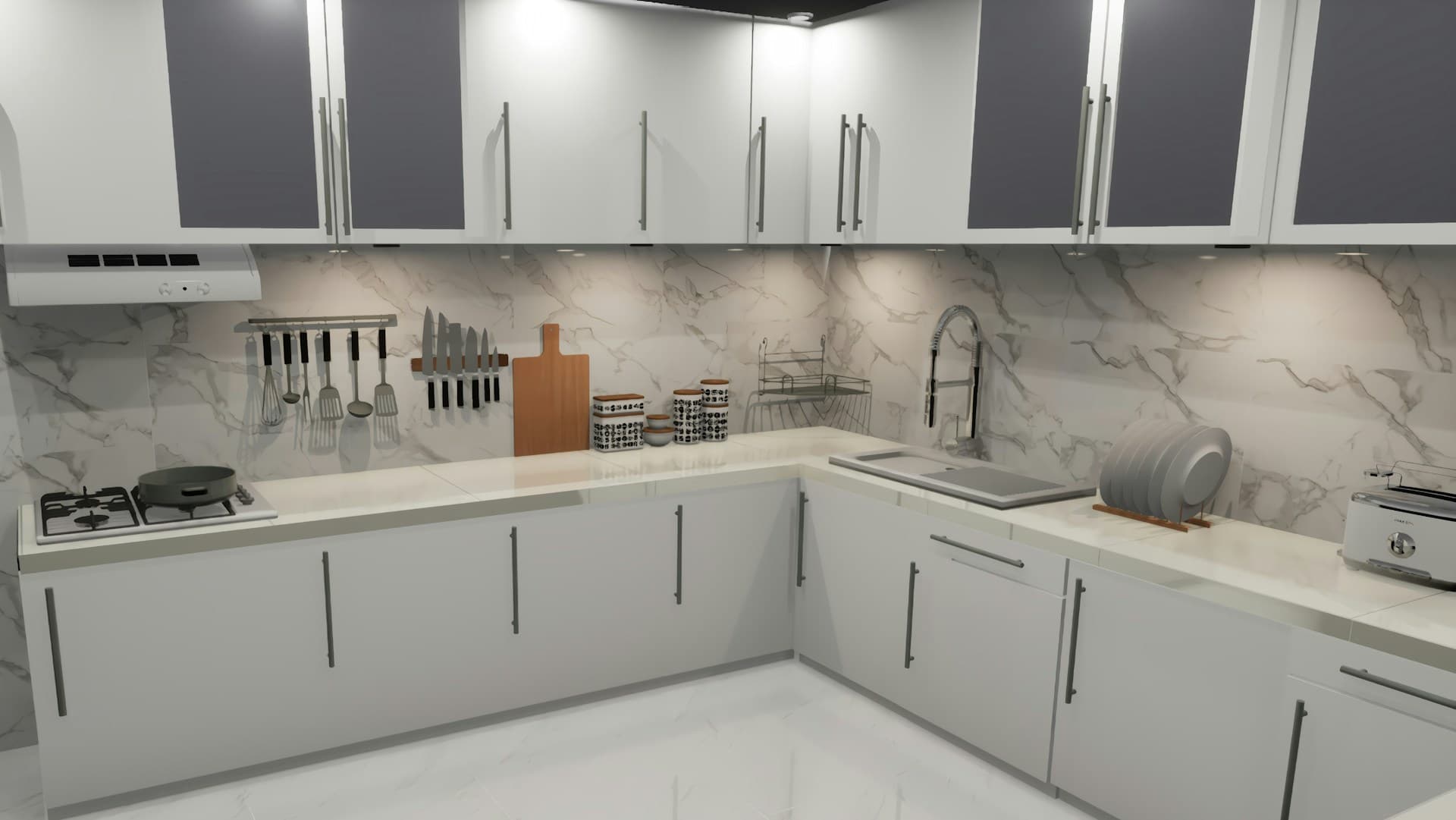
White Macaubas quartzite's versatility allows successful integration into virtually any kitchen style. In contemporary settings popular throughout Boca Raton and Delray Beach, pair White Macaubas with flat-panel cabinetry in navy, charcoal, or matte black for dramatic contrast that emphasizes the stone's bright, clean appearance. Matte black or brass hardware and fixtures complement the stone's gray veining. For transitional kitchens, the most common style in Palm Beach County renovations, white or light gray shaker cabinets create serene, sophisticated spaces where the quartzite provides visual interest without overwhelming the design. Warm wood tones (walnut, white oak) on islands or accent cabinetry pair beautifully with White Macaubas, particularly slabs showing gold or beige undertones. Traditional kitchen applications benefit from book-matching the quartzite on islands or feature walls, creating symmetrical drama that mirrors classical design principles. Backsplash decisions significantly impact the overall effect; we typically recommend either continuing the White Macaubas for seamless integration or using simple subway tile or large-format white porcelain to keep focus on the countertops. Avoid competing patterns. If your counters feature bold veining, other surfaces should remain quiet and recessive.
Cost Comparison and Value Proposition
White Macaubas quartzite sits in the mid-to-upper range of countertop materials installed in Palm Beach County, costing noticeably less than standard Calacatta marble and significantly less than premium Calacatta Gold. The initial savings per square foot is substantial. For an average 50-square-foot kitchen, the upfront difference adds up to a meaningful reduction. Long-term value proposition improves the equation further. Marble requires professional sealing every 3-6 months and periodic restoration to repair etching, both of which are recurring expenses. Over a 10-year period, marble maintenance represents a considerable ongoing cost. White Macaubas requires resealing every 1-2 years, often a DIY task with affordable sealer, and rarely needs professional restoration if properly maintained. The durability difference also affects resale value; while both materials appeal to luxury buyers, quartzite's low-maintenance reputation can be an advantage over marble's high-maintenance reality. For homeowners who love marble aesthetics but live actively in their kitchens, cooking daily, entertaining frequently, White Macaubas delivers the look without lifestyle compromises.
Selection and Installation Best Practices
Selecting your specific White Macaubas slabs is non-negotiable. The variation between individual pieces is too significant to rely on representative samples. At our Boynton Beach facility, we encourage clients to view their exact slabs laid out in sequence, photographed in various lighting conditions, before we begin fabrication. Pay attention to how veining flows across proposed seam locations; White Macaubas seams can be nearly invisible with careful planning or glaringly obvious with poor layout. For book-matched applications, verify that consecutive slabs have similar enough veining density and pattern to create attractive symmetry. Some pairs work beautifully while others look forced. Discuss edge profile carefully; White Macaubas's beauty is best showcased with simpler edges (eased, beveled, basic bullnose) rather than ornate ogee profiles that compete with the veining. Installation requires experienced fabricators familiar with quartzite's properties. The material is harder to cut than granite and requires diamond blades and proper equipment. Sealing during fabrication with quality impregnating sealer is essential; we use professional-grade products that provide 1-2 years of protection versus consumer-grade sealers that may last only 3-6 months. Request photos of the fabrication process and seam locations before installation day to ensure alignment with your expectations.
Experience White Macaubas in Person
The only way to truly appreciate White Macaubas quartzite is to view full slabs in person, where you can assess veining patterns, undertone colors, and overall movement in space rather than through photographs. Our Boynton Beach showroom maintains an inventory of 8-12 White Macaubas slabs at any given time, representing the range of variation from subtle to dramatic, allowing you to select based on your specific aesthetic preferences. We can provide samples to take home for evaluating against your cabinetry, flooring, and lighting, but remember that small samples cannot convey the full impact of slab-scale patterns. Our design team will create digital renderings showing your selected slabs in your actual kitchen layout with proposed seam locations and vein flow direction, eliminating uncertainty about the final appearance. We also maintain a portfolio of completed White Macaubas installations throughout Palm Beach County that we can share for inspiration and real-world reference. Ready to explore this stunning marble alternative? Schedule a private viewing at countertopspalmbeach.com/book-viewing or begin the process with our online estimator at countertopspalmbeach.com/estimator. Discover why White Macaubas has become one of South Florida's most beloved countertop materials.