Free Local Estimate
Serving your neighborhood for over 15 years.
Get a free in-home measurement and ballpark. Most projects are scoped in one visit. Boynton Beach showroom open 6 days a week.
★★★★★ 5.0 · 586+ Google reviews · Family-owned since 2008
The Jupiter-Tequesta Coastal Lifestyle
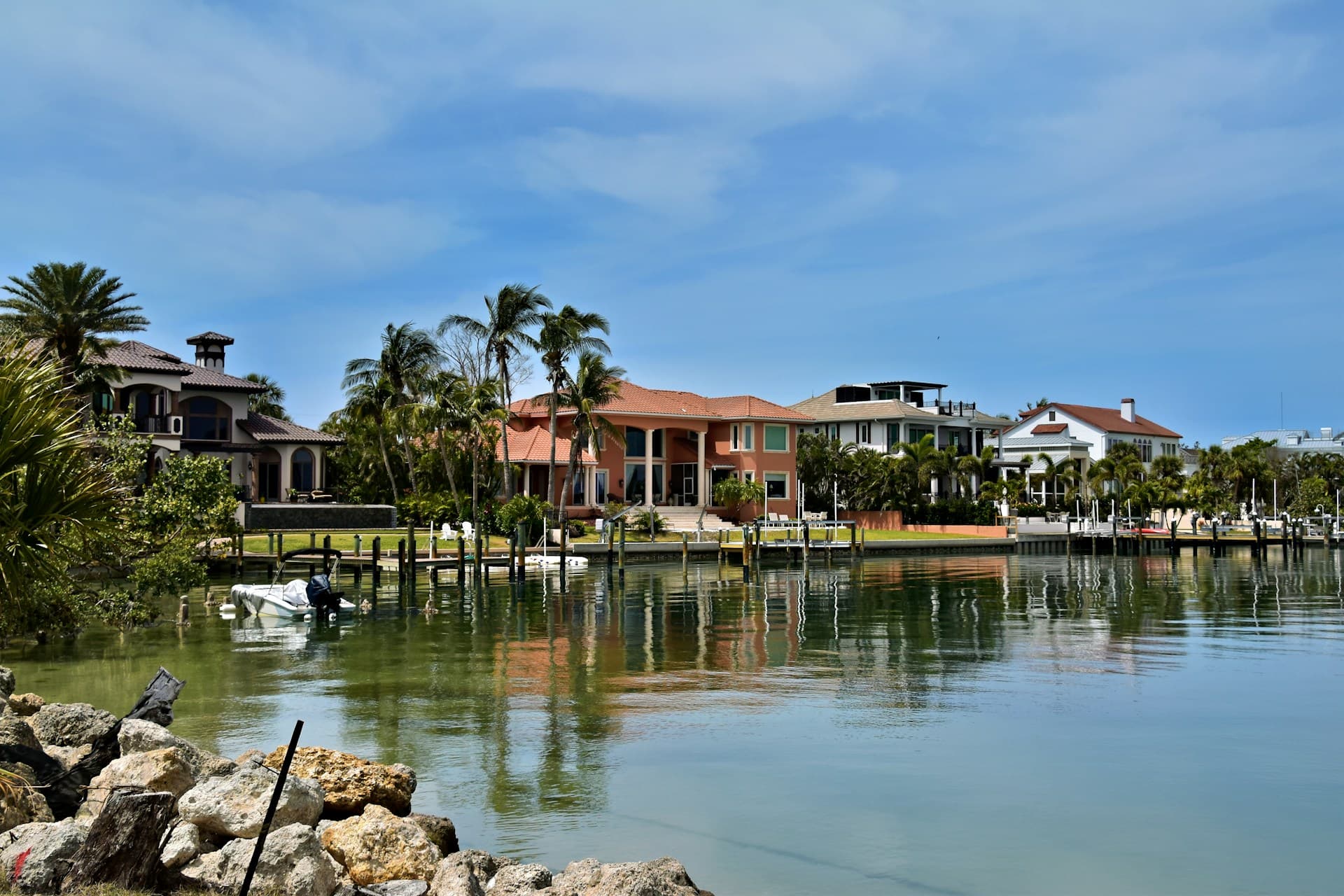
Jupiter and Tequesta represent some of Palm Beach County's most desirable waterfront living: properties along the Intracoastal, Jupiter Inlet, and Loxahatchee River that blend natural beauty with sophisticated coastal culture. These aren't the high-rise luxury of Palm Beach or the urban energy of Boca Raton; they're laid-back waterfront communities where boating, fishing, and outdoor living define daily life. Kitchen design in these areas must balance several competing priorities: durability to withstand salt air and humid conditions; aesthetics that complement water views rather than competing with them; functionality for the indoor-outdoor entertaining central to waterfront life; and timeless appeal that maintains value in markets where homes often command premium prices. After installing hundreds of countertops in Jupiter and Tequesta waterfront properties, we've identified design patterns that consistently succeed. These kitchens embrace natural materials that echo the environment, prioritize open sight lines to preserve water views, incorporate large islands for gathering, and select finishes that hide the inevitable water spots and fingerprints common in humid coastal zones. The goal is creating spaces that feel effortlessly elegant, appropriate to million-dollar waterfront settings without the formal stuffiness that fights against flip-flops-and-boat-shoes coastal reality.
Countertop Materials That Complement Water Views
The most successful waterfront kitchen countertops work with, rather than against, the visual pull of water views. This typically means materials in a narrow color palette: whites, soft grays, warm beiges, and subtle blues that echo sand, sky, and sea. White quartzites like Taj Mahal, Cristallo, or White Macaubas bring natural beauty with movement and veining that suggest water without literal wave patterns. These materials catch and reflect the abundant natural light in waterfront homes, maintaining brightness even on overcast days. Fantasy Brown quartzite offers warmth with its beige and taupe tones, grounding spaces that might otherwise feel too cool. For homeowners seeking maximum drama, blue-toned quartzites like Azul Macaubas or Van Gogh literally bring ocean colors inside, though these work best as island features rather than full-kitchen treatments that can overwhelm. White and light-gray quartz provides worry-free maintenance in humid environments, though it lacks the depth and character of natural stone. Marble is beautiful but risky in waterfront settings. The combination of salt air, humidity, and active lifestyles means more opportunities for damage and staining. Granite remains reliable, particularly light colors with subtle movement. We generally steer clients away from dark, dramatic stones that create visual weight competing with water views. In Jupiter waterfront homes, the view should be the star.
See the Slabs
Want to see what this looks like in your kitchen?
500+ slabs in our Boynton Beach showroom. Browse the live inventory or book a private viewing.
Design Integration: Indoor-Outdoor Flow
Waterfront Jupiter and Tequesta homes prioritize seamless indoor-outdoor connections, and kitchen design should support this lifestyle. Large islands positioned to face water views create gathering points where family and guests naturally congregate. We typically recommend 10-12 foot islands with seating for 4-6 people. These become everything from morning coffee stations to sunset cocktail bars. Countertop overhangs of 15 inches accommodate comfortable stool seating; waterfall edges add visual drama while protecting island ends from the bumps inevitable in high-traffic flow-through spaces. Many waterfront renovations incorporate pocket or accordion doors that fully open kitchen spaces to outdoor areas, essentially creating covered outdoor kitchens. This drives material choices. Countertops near these openings experience greater temperature variation and humidity exposure than interior-only installations. For dedicated outdoor kitchen counters (increasingly common in Jupiter waterfront properties), granite is the only practical choice: quartz yellows in sun exposure, marble requires too much maintenance, and quartzite, while durable, costs more than most outdoor installations justify. Color-coordinating indoor and outdoor counters creates cohesive aesthetics; many homeowners choose matching granite for both zones or use the same material family (different granites with similar coloring, for example).
Practical Considerations for Coastal Environments
Salt air, humidity, and the sand that inevitably enters waterfront homes create specific countertop challenges. Sealing is critical. Even quartz, which is non-porous and doesn't technically need sealing, benefits from the occasional protective treatment in oceanfront settings. For granite and quartzite, we recommend sealing during installation and resealing every 12-18 months in waterfront properties (versus 18-24 months for inland locations). Salt air can affect adhesive bonds, so our seaming processes for Jupiter and Tequesta installations use marine-grade epoxies with longer curing times. We never rush waterfront installations regardless of timeline pressure. Finish selection matters too: matte, honed, or leathered surfaces hide water spots and fingerprints far better than high-polish finishes in humid environments where condensation is constant. We've seen homeowners frustrated by polished marble or granite that shows every water drop; switching to leathered finishes in subsequent renovations solved the visual maintenance burden. Edge profiles should avoid intricate details that trap salt and grime. Simple eased or beveled edges clean more easily than ornate ogee or dupont profiles. For homes with direct ocean exposure, we discuss material selection candidly: some exotic stones are too porous for long-term success in aggressive coastal environments.
Color Palettes and Finish Coordination
Jupiter and Tequesta waterfront kitchens succeed when the entire material palette works cohesively, with countertops as one element in a larger story. The most timeless approach pairs light stone counters (white quartzite or light granite) with white or soft-gray cabinetry and natural wood or woven accents. This creates serene backdrops that don't compete with water views while providing the clean, fresh aesthetic appropriate to coastal settings. For more personality, two-tone cabinetry works beautifully: white perimeter cabinets with a wood-tone or soft-blue island topped in contrasting stone. Navy islands with white quartzite counters create sophisticated coastal style without feeling thematic or beach-cutesy. Hardware finishes lean toward brushed nickel, champagne bronze, or even matte black. Shiny chrome feels dated, and oil-rubbed bronze skews too traditional for most waterfront contemporary aesthetics. Backsplashes range from simple white subway tile (timeless and budget-friendly) to full-height stone slabs (dramatic and luxurious) to glass tile in soft blues or greens (intentionally coastal). Flooring typically involves light wood tones or wood-look tile that maintains the brightness essential in spaces where the view dominates. The goal is creating cohesive environments where no single element screams for attention. The architecture, materials, and views work together effortlessly.
Investment and Resale Considerations
Jupiter and Tequesta waterfront properties command premium prices, and kitchens are critical to maintaining and enhancing value. Countertop investments should align with home positioning: for mid-range waterfront properties, quality granite or quartzite at proportional investment levels is appropriate and expected. For luxury waterfront estates, premium quartzites, exotic stones, and elaborate features like book-matched islands or full-slab backsplashes justify substantial investment that reflects the property's caliber. The materials themselves signal quality to potential buyers: quartzite reads as luxury; quartz reads as practical-modern; granite reads as reliable-quality. Marble is polarizing. It elevates very high-end properties but can concern practical buyers worried about maintenance. Beyond materials, fabrication quality matters enormously in this market. Visible seams, poor edge details, or amateur installation work hurt rather than help resale value regardless of how expensive the stone was. We've been called to re-install counters in Jupiter waterfront properties where previous fabricators left unacceptable seams or poor cutout details; the homeowners understood that in premium markets, details make or break value. When planning waterfront kitchen renovations, think long-term: will these choices still feel current and appropriate in 10-15 years, or are you chasing trends that will date the space? Timeless materials in classic configurations consistently outperform trendy choices. Ready to create your ideal Jupiter or Tequesta waterfront kitchen? Visit our showroom to explore materials and discuss designs that complement your specific property, views, and lifestyle. We've worked in these communities for decades and understand exactly what succeeds in this unique market.