Mitered Edge vs Eased Edge Countertops: Cost, Look & Durability Compared
Bottom Line
**Mitered edge wins for luxury impact**—it's the detail that separates a nice kitchen from a magazine-worthy one. When executed by a master fabricator, a mitered edge creates the illusion of a 4-6 inch thick slab of solid stone, transforming your island into a sculptural centerpiece.
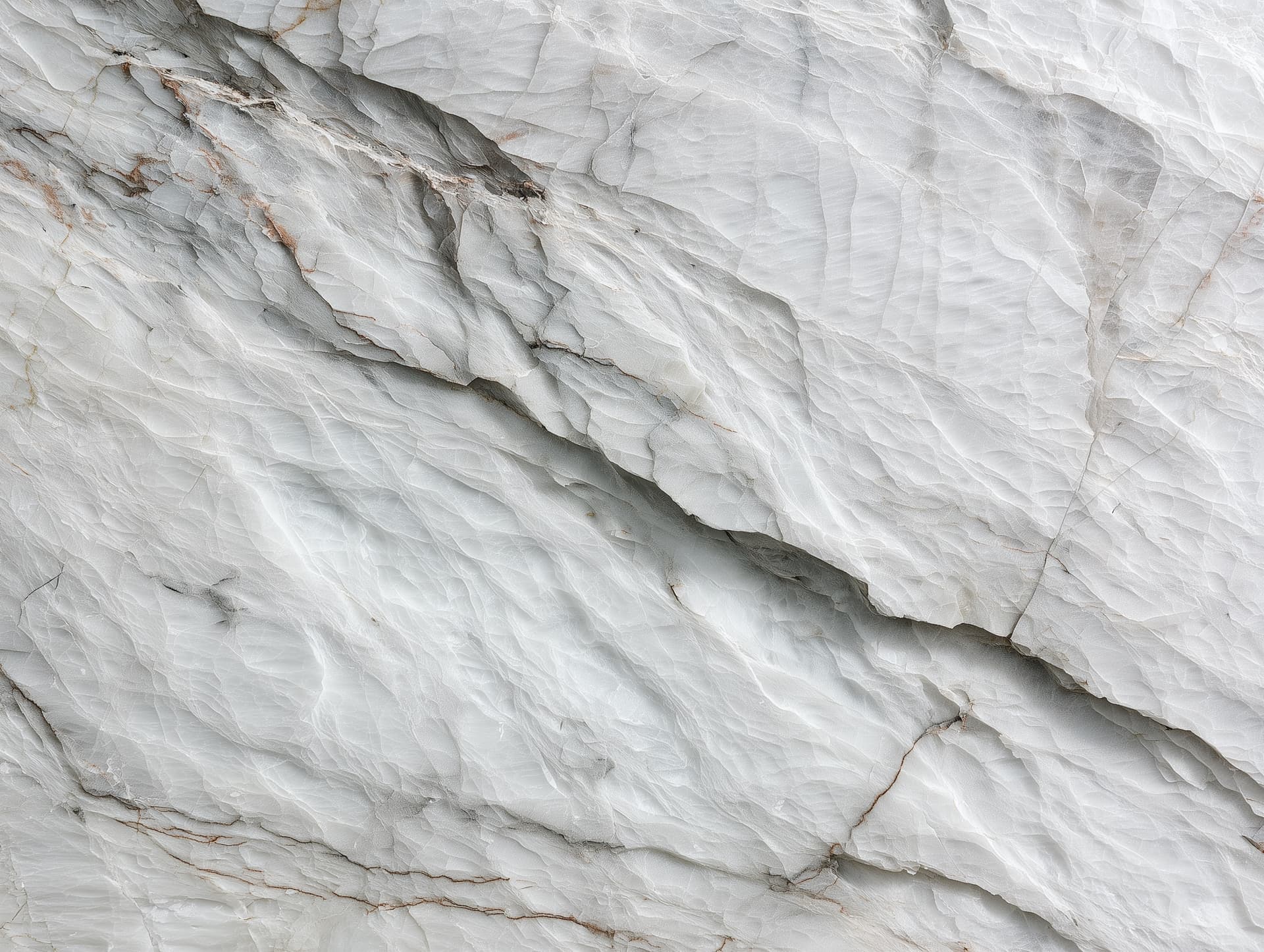
Mitered Edge
The Luxury Statement
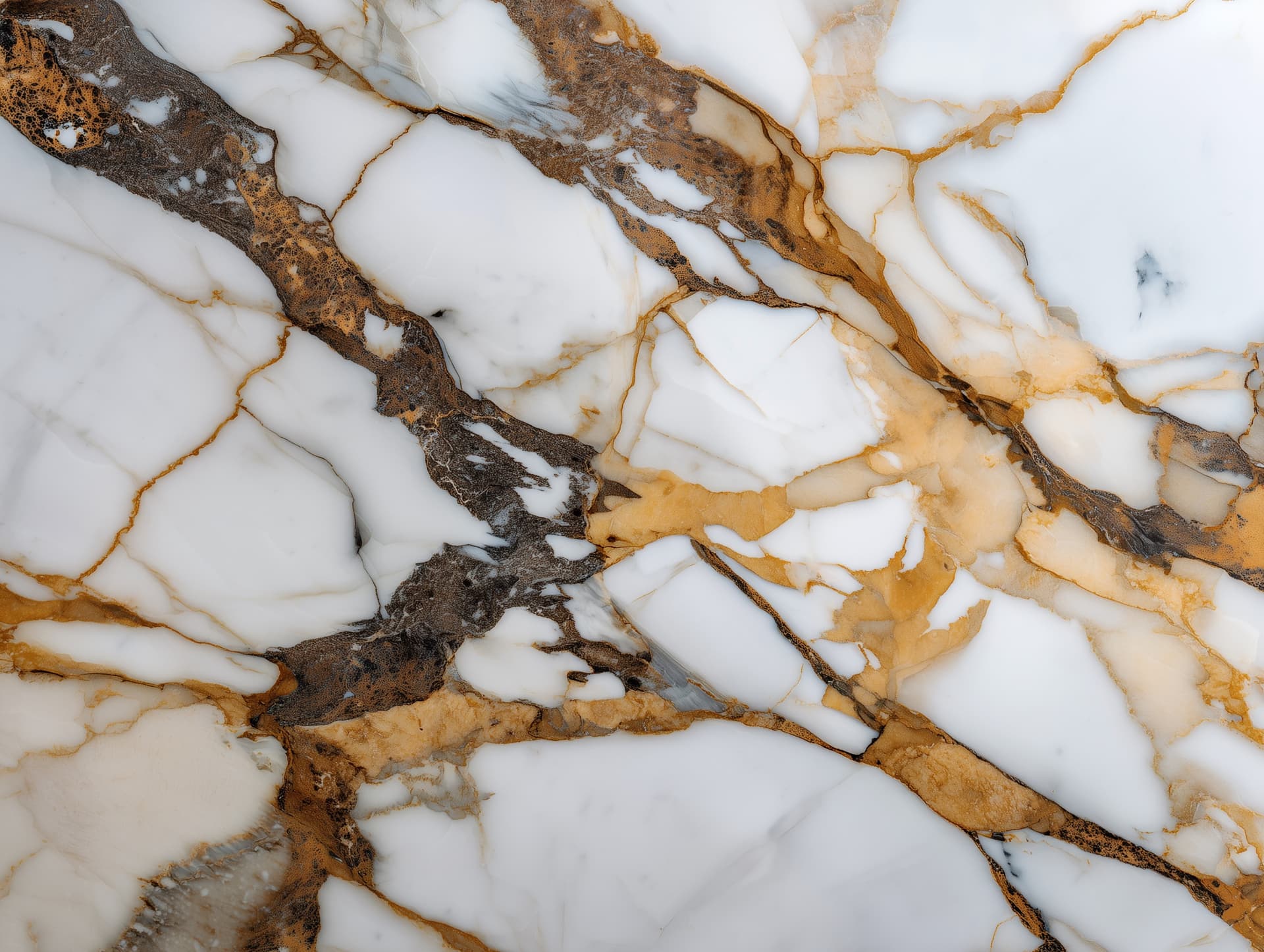
Eased Edge
Clean and Classic
Free Showroom Visit
See Mitered Edge and Eased Edge side-by-side at our Boynton Beach showroom — no pressure, free 30-min consult.
★★★★★ 5.0 · 586+ Google reviews · Family-owned since 2008
Side-by-Side Comparison
| Property | Mitered Edge | Eased Edge |
|---|---|---|
| Hardness | N/A | N/A |
| Heat Resistance | Good | Good |
| Price Range | Significant premium | Standard pricing |
| Maintenance | Low | Low |
| Durability | Medium | High |
Pros & Cons
Mitered Edge
WinnerAdvantages
- Creates illusion of thick, solid slab
- Ultra-modern, high-end appearance
- No visible seams on waterfall applications
- Signature luxury kitchen detail
- Hides countertop support structure
- Seamless transition to waterfall sides
Considerations
- Significantly higher cost
- Seam line can be visible if not expertly done
- More fragile at the miter joint
- Requires master fabricator skill
- Not suitable for all stone types
Eased Edge
Advantages
- Most durable edge profile
- No upcharge - standard option
- Works with any stone type
- Easy to repair if chipped
- Clean, unobtrusive appearance
- Never looks dated
Considerations
- Shows true slab thickness (usually 3cm)
- Less dramatic visual impact
- Can look 'basic' in luxury settings
- Visible transition at waterfall corners
Winner: Mitered Edge
Transforms the kitchen into a design statement
Based on our analysis of over 10,000 projects since 2008, Mitered edge wins for luxury impact—it's the detail that separates a nice kitchen from a magazine-worthy one. When executed by a master fabricator, a mitered edge creates the illusion of a 4-6 inch thick slab of solid stone, transforming your island into a sculptural centerpiece. Combined with a waterfall side panel, it becomes the focal point of your entire home.
That said, mitered edges are only as good as the fabricator cutting them. A poorly matched miter joint is worse than no miter at all—the seam line becomes an eyesore that draws attention for all the wrong reasons. This is precision work that requires expensive equipment and years of experience. We recommend mitered edges exclusively for clients investing in truly premium renovations where the kitchen is the home's showcase.
For practical, budget-conscious renovations, eased edges deliver clean aesthetics without compromising durability. There's no shame in an eased edge—it's honest, it's classic, and it lets the stone itself be the star rather than the fabrication technique.
Ready to see Mitered Edge in person?
Book a Showroom VisitFrequently Asked Questions
Common questions about Mitered Edge vs Eased Edge
How much does a mitered edge cost?
Mitered edges carry a significant per-linear-foot premium over standard edges. The cost reflects the precision cutting and additional material required. Contact us for current mitered edge pricing for your project.
Is a mitered edge weaker than standard edges?
The miter joint itself can be more vulnerable to impact than solid stone. However, when properly fabricated with reinforcing rods and quality adhesive, mitered edges hold up well to normal use. Avoid placing heavy impacts near mitered corners.
Can any stone be mitered?
Most stones can be mitered, but some work better than others. Busy, veined patterns like Calacatta marble require expert book-matching at the seam. Consistent granites and solid quartzes are easier to miter seamlessly.
Related Comparisons
Still Have Questions?
Our design team has helped 500+ Palm Beach County homeowners choose the perfect materials for their kitchens. Let us help you make the right decision.