Free Showroom Visit
See this material in person at our Boynton Beach showroom.
500+ slabs in stock. We'll walk you through the differences and help you find the right one for your kitchen. No pressure, no sales pitch.
★★★★★ 5.0 · 586+ Google reviews · Family-owned since 2008
The Marble Look Without the Marble Maintenance
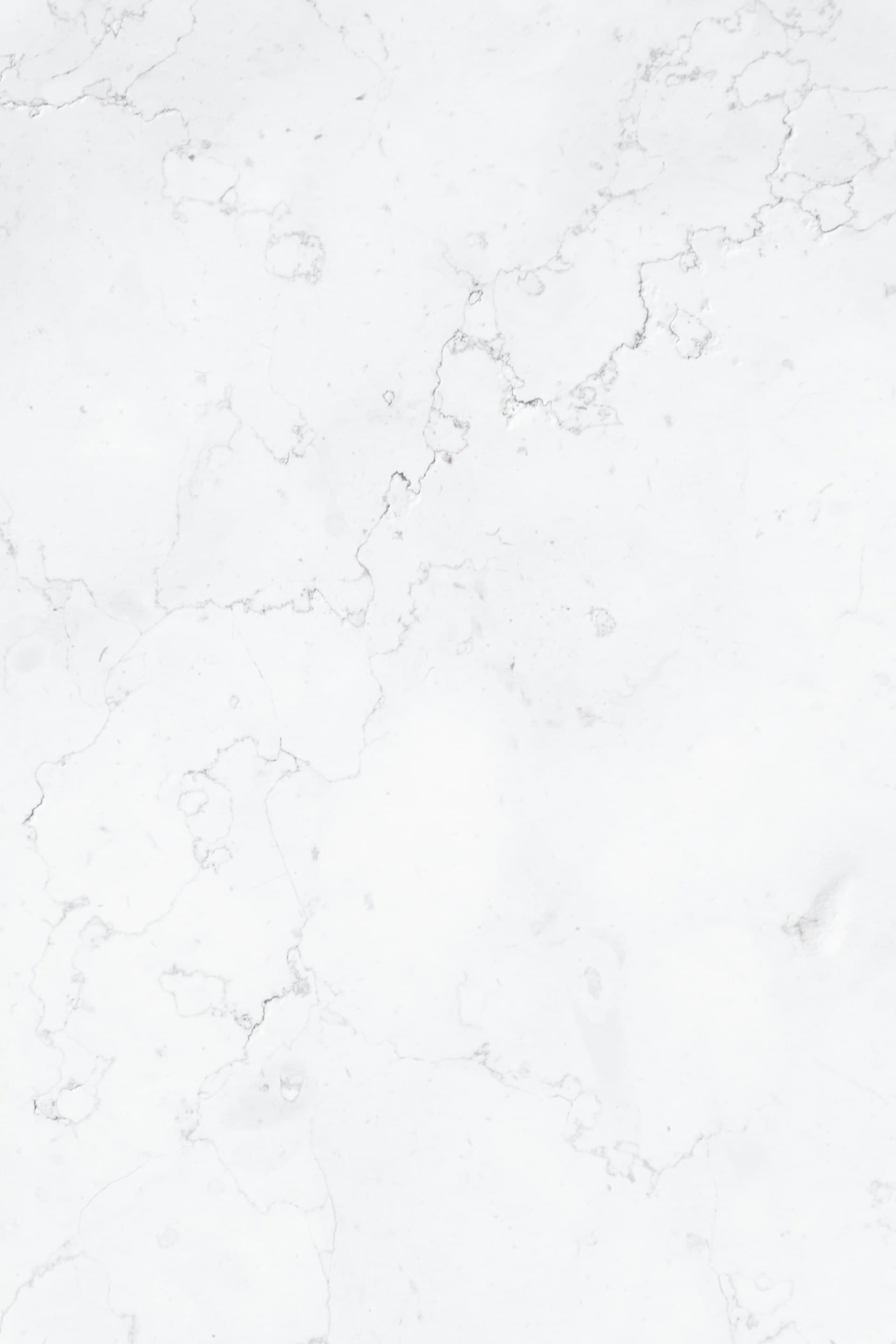
Taj Mahal quartzite has earned its reputation as the holy grail of kitchen countertops by delivering the soft, elegant appearance of Calacatta marble with dramatically superior performance characteristics. Quarried in Brazil, this stunning stone features a warm ivory background with delicate gold, taupe, and soft gray veining that creates subtle movement without overwhelming a space. Unlike marble, which etches from acidic contact and stains easily, Taj Mahal's quartzite composition (metamorphosed sandstone) makes it highly resistant to etching, scratching, and heat damage. In Palm Beach County kitchens where lemon juice, wine, and tomato sauce are daily occurrences, this durability is transformative. Homeowners enjoy the luxurious aesthetic they desire without the anxiety of damaging their investment. At our Boynton Beach showroom, we demonstrate the difference by applying lemon juice to both marble and Taj Mahal samples. The marble etches within minutes; the quartzite remains unaffected. This performance advantage explains why Taj Mahal consistently outsells comparable marble options by a 4-to-1 margin in our fabrication shop.
Consistency and Availability in a Natural Stone
One of Taj Mahal's most valuable attributes is its relative consistency compared to other natural stones. While each slab is unique (a characteristic many homeowners prize), the overall color palette and veining style remain remarkably uniform across different bundles and quarrying periods. This consistency solves a common challenge in large kitchen projects: matching multiple slabs for islands, perimeters, and backsplashes. Unlike exotic quartzites that may have dramatic variation between slabs, Taj Mahal maintains a cohesive look even when 8-10 slabs are required for extensive installations. The quarry's production volume also means consistent availability; we rarely experience the months-long delays that plague rare marble varieties. For designers coordinating multiple projects or homeowners planning phased renovations, this reliability is invaluable. At our showroom, we typically stock 15-25 Taj Mahal slabs at any given time, allowing clients to see their actual stone and select specific slabs for their project. This hands-on selection process eliminates surprises and ensures complete satisfaction with veining patterns and color tone.
See the Slabs
Want to see what this looks like in your kitchen?
500+ slabs in our Boynton Beach showroom. Browse the live inventory or book a private viewing.
Versatility Across Design Styles
Taj Mahal's soft, warm neutral palette makes it remarkably versatile across different design aesthetics. In traditional Boca Raton homes, it pairs beautifully with raised-panel cabinetry and ornate details, providing an elegant foundation without competing for attention. In contemporary spaces, its clean lines and subtle veining complement minimalist design principles. Coastal interiors benefit from its light, airy quality and warm undertones that echo sand and natural linen. Even transitional kitchens, which blend traditional and contemporary elements, find Taj Mahal an ideal common ground. The stone works equally well with warm metals like brass and gold, cool metals like chrome and nickel, and trendy matte black fixtures. This flexibility extends to cabinetry colors; Taj Mahal harmonizes with everything from crisp white to navy blue to natural wood tones. Interior designers in Palm Beach County appreciate this versatility, often specifying Taj Mahal as a safe but sophisticated choice that won't limit other design decisions. Its timeless quality also ensures it won't look dated as trends evolve.
The Technical Performance That Matters
Beyond aesthetics, Taj Mahal delivers exceptional technical performance that matters in daily kitchen use. With a Mohs hardness rating of 7 (compared to marble's 3-4), it resists scratching from knives and abrasive cleaning. Its low porosity means properly sealed Taj Mahal resists staining from oils, wine, and other common kitchen substances. Heat resistance allows hot pots directly from the stove, though we always recommend trivets to prevent thermal shock. In Florida's humid climate, Taj Mahal's density prevents moisture absorption that can lead to bacterial growth or discoloration. Professional fabricators appreciate its workability; the stone cuts cleanly, takes a beautiful polish, and can be finished with honed or leathered surfaces for different aesthetic effects. The material also supports thin edge profiles and delicate details without chipping, enabling custom fabrication. Taj Mahal requires sealing every 1-2 years (less frequently than marble or granite), and maintenance involves nothing more than pH-neutral cleaner and water. This combination of beauty and practicality explains its dominance in high-end kitchen installations.
Investment and Long-Term Value
Taj Mahal quartzite is positioned in the premium material category alongside luxury marble and exotic granite. This represents a meaningful premium over standard granite but delivers superior longevity and lower maintenance costs. The investment for an average kitchen varies by layout and edge details—contact us for current pricing. When compared to comparable marble (Calacatta Gold or Statuario), Taj Mahal often costs slightly more upfront but saves significantly in long-term maintenance, sealing, and potential repair costs. Resale value studies show kitchens with premium quartzite like Taj Mahal command 8-12% higher prices in Palm Beach County's luxury market compared to standard granite installations. The stone's timeless appeal means it won't look dated; installations from 10-15 years ago still look current today. For homeowners planning to remain in their homes long-term, the durability means decades of beautiful, worry-free use. This long-term perspective makes Taj Mahal an intelligent financial choice beyond its aesthetic appeal.
Selecting Your Perfect Taj Mahal Slabs
While Taj Mahal is relatively consistent, individual slab selection allows you to customize the look for your space. Some slabs feature more prominent gold veining, creating warmth and movement, while others have subtler gray tracings for a cooler, more understated appearance. Background color can range from bright white to soft ivory to warmer cream tones. At our showroom, we encourage clients to view slabs in both indoor lighting and natural daylight, as the stone's appearance shifts with different light sources. Consider your cabinetry and flooring when selecting; cooler Taj Mahal slabs pair better with gray cabinets, while warmer examples complement wood tones. For large islands, selecting slabs from the same bundle ensures consistent veining and color. We photograph your selected slabs and provide digital layout previews showing how veining will flow across your specific countertop configuration. This process eliminates surprises and ensures you're delighted with the final installation. Factor in a 10-15% waste allowance for cuts and template adjustments.
Experience Taj Mahal Quartzite in Person
No photograph fully captures Taj Mahal's subtle beauty and the way it interacts with light throughout the day. We invite you to experience this exceptional stone firsthand at our Boynton Beach showroom, where we maintain the largest Taj Mahal inventory in Palm Beach County. Our design team will help you understand the stone's characteristics, select specific slabs for your project, and plan edge details, backsplash options, and finishing touches. We offer complimentary templating and detailed quotes that include fabrication, installation, and initial sealing. Most Taj Mahal kitchen projects are completed within 2-3 weeks from template to installation. Visit countertopspalmbeach.com/book-viewing to schedule your private appointment, or use our online estimator for instant pricing. Discover why designers and homeowners consistently choose Taj Mahal as the perfect kitchen stone that balances beauty, performance, and lasting value.